How to Choose City Tours Barcelona in Eixample
Choosing among city tours Barcelona can feel simple at first, then surprisingly fussy once dates, budgets, interests and meeting points enter the picture. Barcelona rewards a bit of planning. The city is compact in parts, spread out in others, and popular sights can turn a loose plan into a long day of queues and missed connections. A good choice depends less on the biggest list of stops and more on how well the route fits the way you like to explore.
Start by deciding what you want the day to feel like. Some people want a broad introduction, with historic streets, landmark buildings and a short pause at a viewpoint. Others prefer a focused route around architecture, food, art, or a single neighbourhood. The term city tours Barcelona covers all of these, so treat it as a broad category rather than a fixed product. If you are staying in Eixample, near Pg. de Gràcia, you are already close to several major transport links and a dense area of streets that are easy to explore on foot. That makes it a useful base for comparing routes that begin nearby or finish near the centre.
Set the purpose before comparing routes
Write down the main reason for the tour in plain language. For example, you might want a first-day overview, a route that helps you understand the Gothic Quarter, or a day built around La Sagrada Familia and Park Güell. A clear purpose makes it easier to ignore routes packed with places that do not matter to you. It also helps you judge pace. A tour that includes many famous stops may sound efficient, but it can leave little time to look up, take photographs, ask questions or enjoy a coffee.
Think about who is coming too. A group with children, older travellers, or someone who dislikes long walks may need a shorter route with more breaks. A solo traveller who enjoys busy streets might be happy with a full day that moves between neighbourhoods. The right fit is personal, and a route that works well for one group can feel rushed for another. If mobility is a concern, check the distance between stops, whether there are stairs, and where seating is available. Do not assume that a central route is flat or easy. Some areas have uneven paving, crowded pavements and tight corners.
Choose the style that suits your day
City tours come in several shapes, and each has a different rhythm. A walking route gives you close contact with street life and lets you notice details that pass by from a bus window. It also asks more of your feet and your attention to timing. A bus based route covers more ground and can help when the weather is poor, though it may feel less personal and can leave you watching traffic between stops. A themed route, such as architecture or art, tends to move slower and go deeper, but it may skip classic sights that first time visitors expect.
Private options suit people who want control over the pace and the questions asked during the day. Small group options often strike a balance between structure and space to move. Larger groups can be easier to join at short notice, though they may require more waiting and give less room for conversation. There is no single best format. The better choice is the one that matches your energy, your schedule and the level of detail you want.
When comparing formats, keep the meeting point in view. A route that starts across town can add stress before the day has even begun. From Eixample, a start near a metro station or a recognizable square is often easier than a tucked away corner. Check the exact address and arrive with enough time to find it, especially on streets where several entrances look alike. A short walk at the beginning is fine. A confusing hunt for a meeting point is not.
Read the route with a critical eye
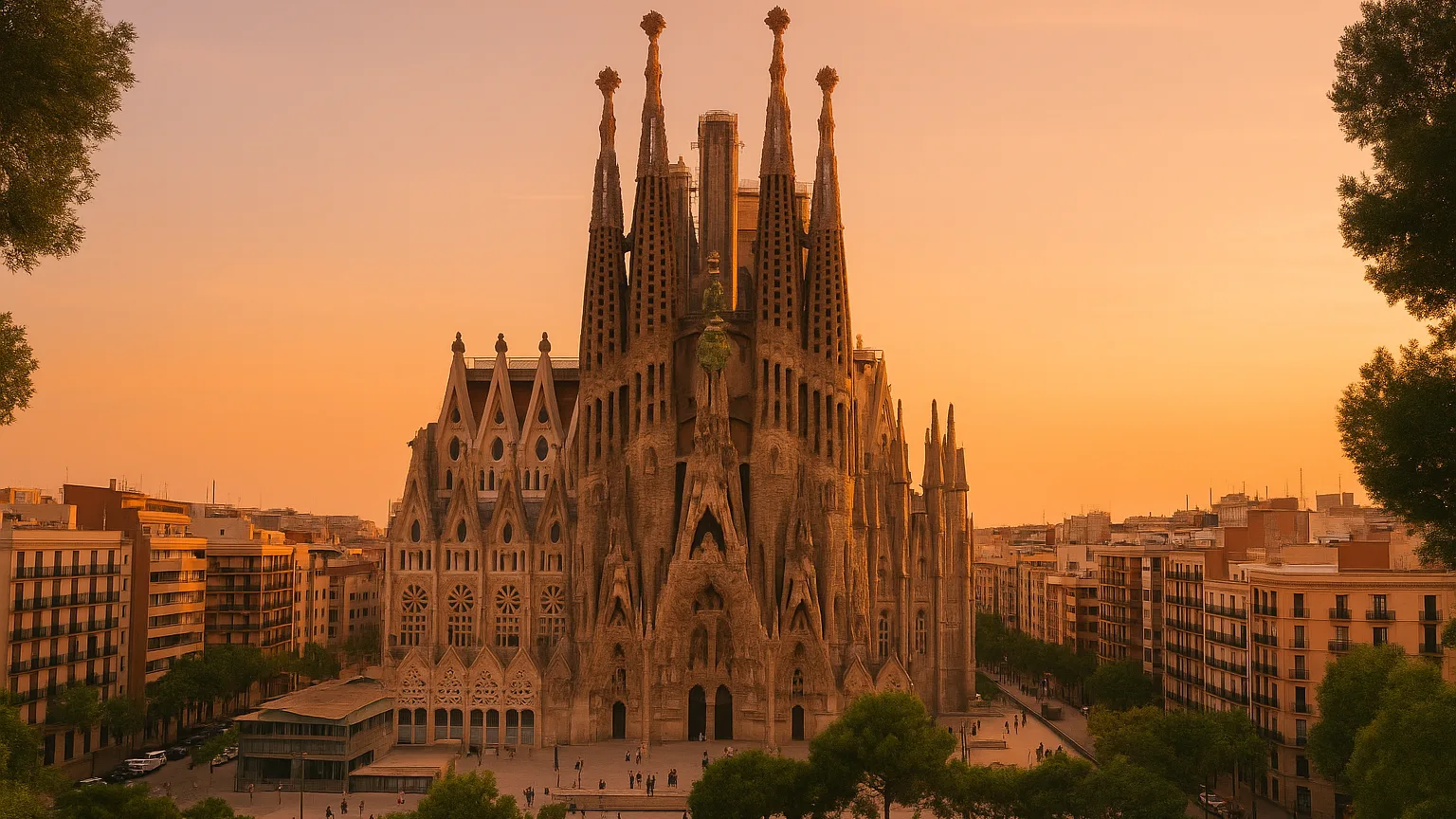
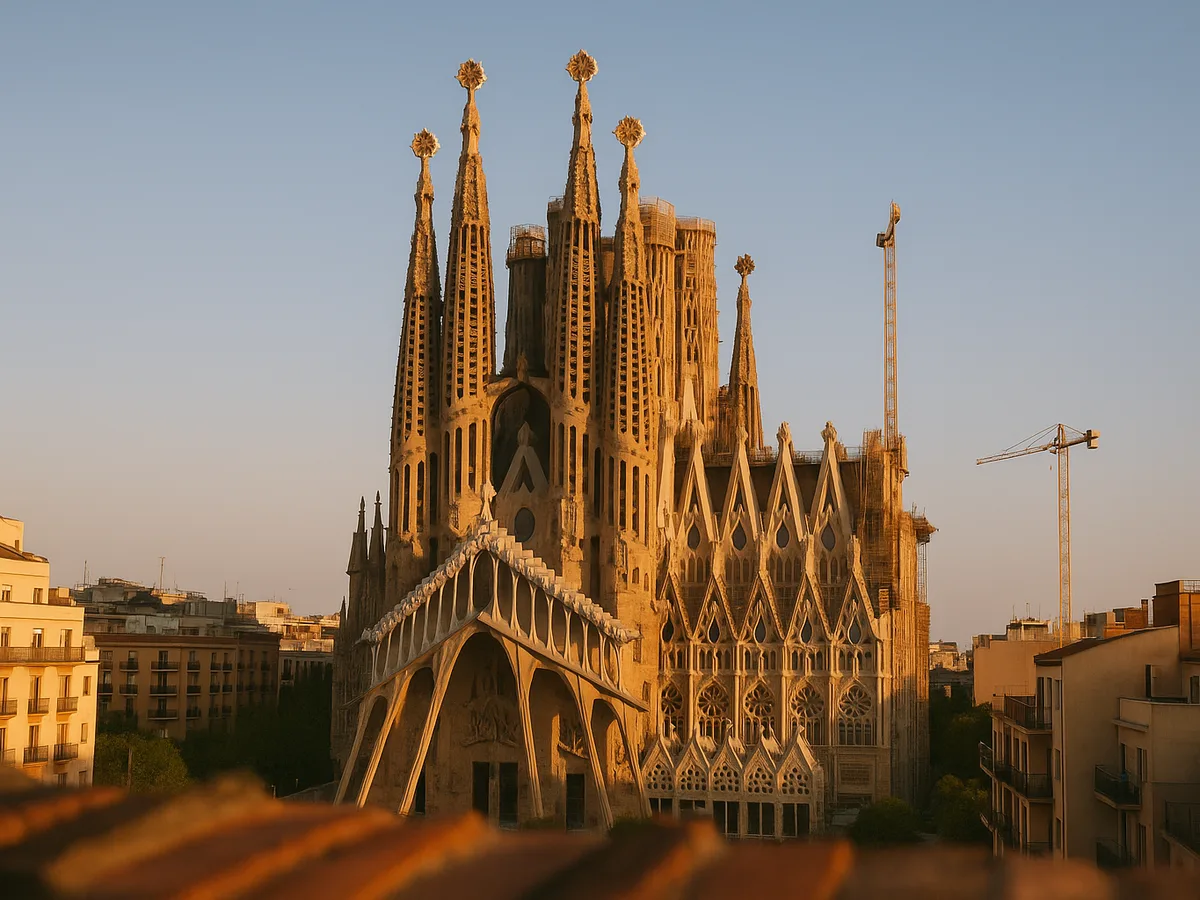
Look past the headline and read the order of the day. A route that lists La Sagrada Familia, Casa Batlló and Park Güell may sound ideal, yet the travel time between them matters. Barcelona streets are busy, and crossings, queues and crowded pavements can slow a group down. Ask whether the stops are clustered or spread across the city. Cluster based routes usually feel smoother. Spread out routes can still work, but they need sensible transport links and realistic breaks.
Pay attention to what happens inside each stop. Some routes only view a building from outside. Others include entry, which changes both the cost and the timing. Entry can be valuable at places such as La Sagrada Familia, where much of the interest lies inside, but it also makes the day more fixed. If entry is included, check what type of ticket is used and whether there is a specific time slot. If entry is not included, decide whether you want to arrive earlier or return later on your own.
A good route also leaves room for the city between the landmarks. Some of the best moments in Barcelona come from side streets, small squares, markets and the change of atmosphere from one neighbourhood to the next. Routes that move too quickly can turn the day into a sequence of photo stops. That may be fine if your priority is ticking off famous places, less so if you want to understand how the city feels. Compare the balance and decide which version you would enjoy more.
Check the practical details before booking
Once a route sounds right, move to the practical questions. Confirm the date, start time, approximate duration, meeting point, group size and what is included. Watch for vague wording such as a full day or a complete experience, because those phrases can hide a lot. Clear details are more useful than broad promises. If the plan depends on good weather, ask what happens if rain makes the walk unpleasant. If it includes food tastings, check whether dietary needs can be handled before the day, not during it.
Cancellation rules deserve a careful read as well. Plans change, trains run late and weather can disrupt outdoor time. A clear policy makes the decision less tense. Check the deadline for changes and how refunds are handled. Also confirm how updates are sent if a start time or meeting point changes. Afterwards, keep the confirmation message somewhere easy to find, with the meeting point and time noted.
Some travellers compare names while searching and may come across citytourinbarcelona.com during that process. Treat any name or site as a starting point, then still check the route, terms and meeting details that apply to the day you want. A neat page can only tell you so much. The practical fit matters more than the presentation. It is also wise to confirm details with whichever business you choose, since hours, booking rules, coverage and prices are not safe to assume.
Match the day to your base in Eixample
Where you stay should shape the choice more than many people expect. Eixample is well placed for reaching both the old centre and the newer areas north of the city, but the day still works better when the route begins and ends at sensible points. If your tour finishes near Las Ramblas or the Gothic Quarter, you can continue exploring on foot. If it ends near a metro station, the return to your base is straightforward. If it ends far from transport, you may spend more energy getting back than you did during the tour.
Consider the time of day as well. Morning routes often feel calmer around popular streets, while later routes can suit people who prefer a slower start. Evening walks have a different mood, though they may cover fewer interiors. A route that begins early may require an earlier breakfast, and a late finish can affect dinner plans. Match the timing to the rest of your itinerary rather than squeezing it into a day already packed with reservations.
For a first visit, a balanced route may be better than a highly specialised one. You might want a taste of the Gothic Quarter, a look at modernist architecture and enough free time to wander afterwards. For a repeat visit, a narrower theme can be more rewarding, such as art, markets, viewpoints or a deeper look at a single district. This is where the phrase city tours Barcelona becomes useful again: use it to gather options, then narrow by purpose rather than by the number of famous names listed.
Use a simple comparison before you decide
When two or three options remain, compare them on the same points. This keeps the decision grounded and stops a persuasive description from outweighing a poor route.
- Purpose: does the route focus on the sights or themes you actually care about?
- Pace: are the walking distance, breaks and timing realistic for your group?
- Logistics: are the meeting point, start time and return path easy from your base?
- Inclusions: do entry tickets, food, transport or extras match what you expect?
- Terms: are cancellation rules and update methods clear before you commit?
This kind of comparison works because it turns a broad choice into a set of practical questions. It also makes trade-offs easier to accept. You may choose a shorter route because it leaves time for Museu Picasso later. You may accept fewer stops because the group is small and the pace is calmer. You may skip a famous landmark on this day because it is better visited at a quieter time. A good decision does not require the perfect route, only the route that fits your plan.
Before the day, check the meeting point once more and note how long it takes to reach it from your accommodation. Wear shoes that suit long walking, carry water when the weather is warm, and keep valuables close in crowded areas. If the route includes Barcelona port, Montjuïc Castle or other places with changes in level, allow extra time for movement between stops. Small preparations like these protect the day from avoidable stress.
One local option is Girona & Costa Brava Day Trips From Barcelona. Its address is Eixample, Pg. de Gràcia, 66, 71, Eixample, 08007 Barcelona, Spain. The phone number is +34 632 93 79 41.